The smell that fills the kitchen while these rolls rise is the reason I keep making this gluten free cinnamon rolls recipe on repeat. Warm brown sugar, a hint of yeast, and butter soak into soft dough. After several rounds of testing with a true gluten free bread flour blend, …
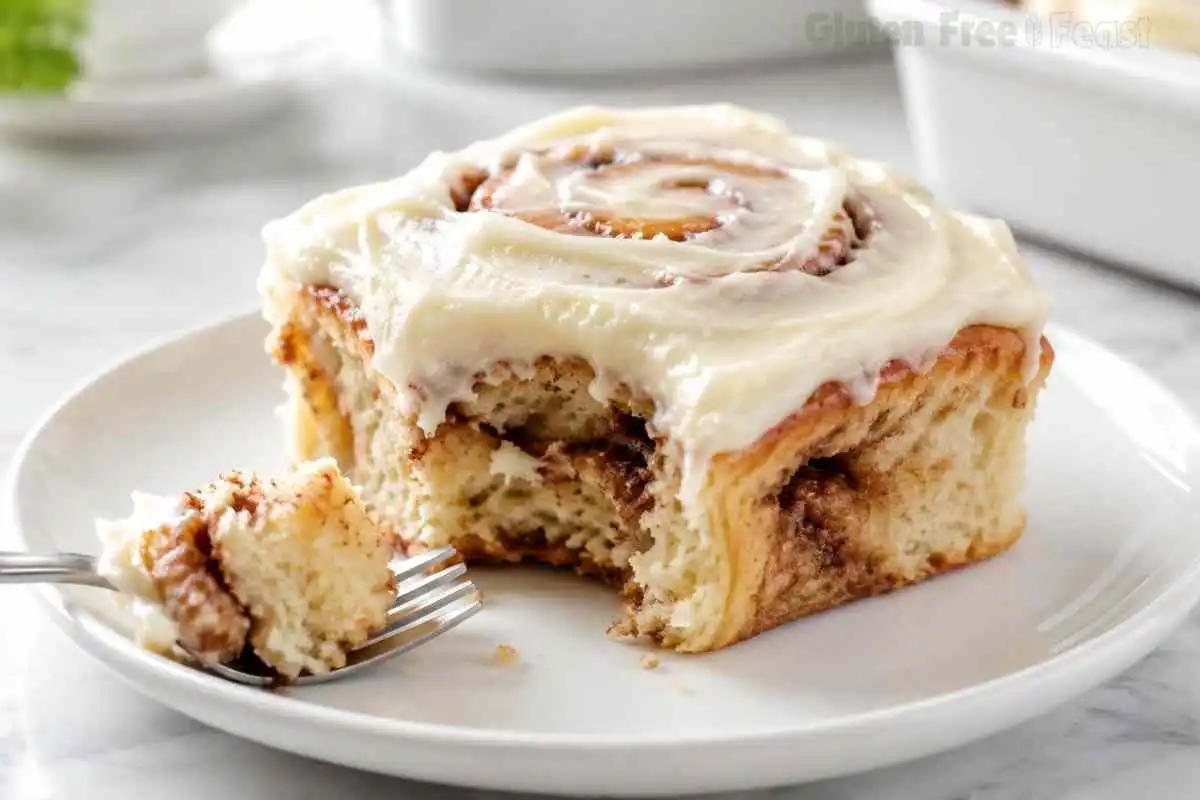
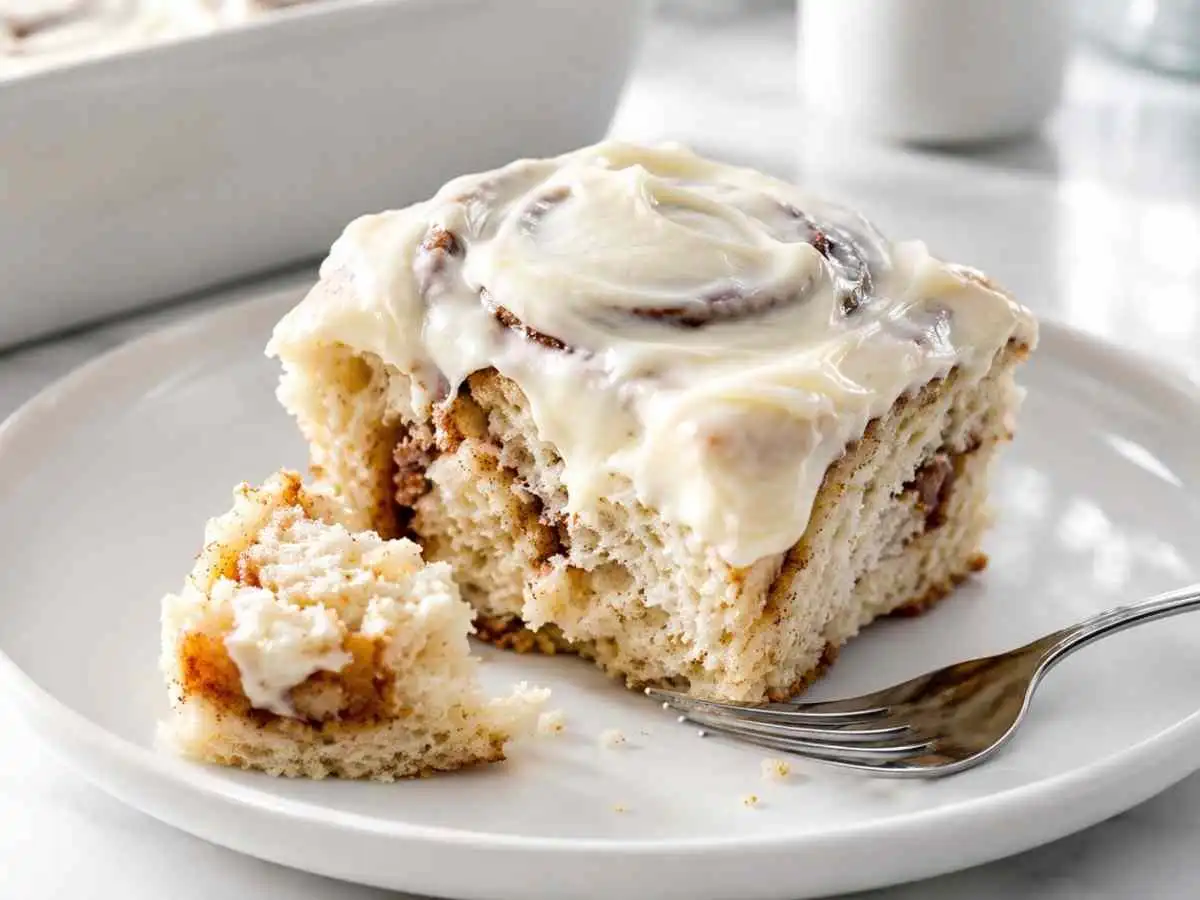
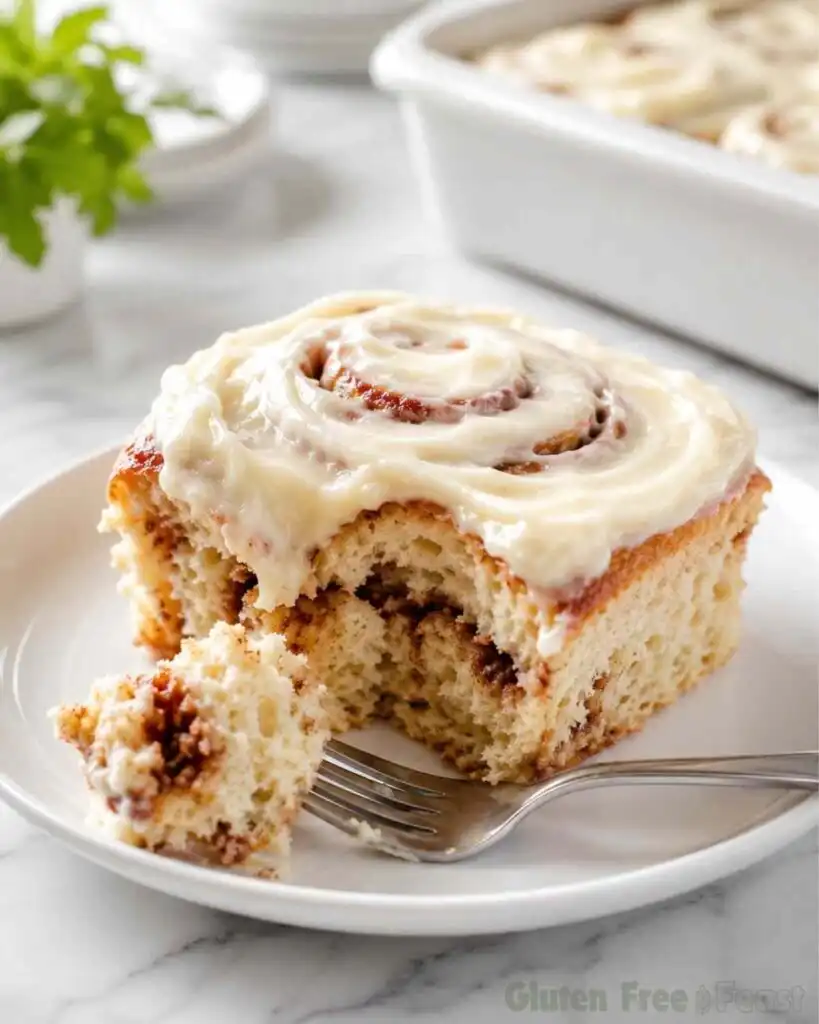
The smell that fills the kitchen while these rolls rise is the reason I keep making this gluten free cinnamon rolls recipe on repeat. Warm brown sugar, a hint of yeast, and butter soak into soft dough. After several rounds of testing with a true gluten free bread flour blend, I finally got the texture I wanted. It is a soft, pull-apart crumb, not the dense, gummy rolls that gluten free versions are known for.
The trick is using a bread-flour-style GF blend instead of a standard 1:1 all-purpose blend. Then you give the dough a short chill before shaping it. That chill matters more here than it would with a wheat dough, and I will explain exactly why in the ingredient notes below.
This recipe also comes with a full cross-contact section, because most gluten free cinnamon rolls posts skip it entirely. If you have celiac disease, that section is worth reading before you start.
Key takeaways
Gluten free cinnamon rolls turn out soft and pull-apart when made with a bread-flour-style GF blend (Bob’s Red Mill Gluten Free Homemade Wonderful Bread Mix, GFCO Certified) instead of a standard 1:1 all-purpose blend.
A 20-minute chill after mixing lets the gluten free starches fully hydrate, which makes the dough easier to roll without tearing. The dough yields 12 rolls, bakes at 350°F for 30 to 35 minutes, and can be shaped ahead and refrigerated overnight for 8 to 12 hours before baking. Every risk ingredient is named and flagged, including the instant yeast, which is labeled gluten free by the manufacturer but has no GFCO-certified equivalent currently on the market. Finish with classic cream cheese frosting (Green Valley Creamery, GFCO Certified) or a lighter simple glaze, and check the dedicated cross-contact section before you start.
Prep Time: 30 mins · Cook Time: 35 mins · Rising ime: 50 mins · Total Time: 115 mins
Table of Contents
Why You Will Love This Gluten Free Cinnamon Rolls Recipe
Soft, pull-apart texture: a bread-flour-style GF blend gives these rolls real structure instead of a crumbly, dense bite.
Celiac-safe from the ground up: every risk ingredient, including the yeast and baking powder, is named and flagged specifically.
Make-ahead friendly: shape the rolls the night before and let them rise slowly in the refrigerator, then bake in the morning.
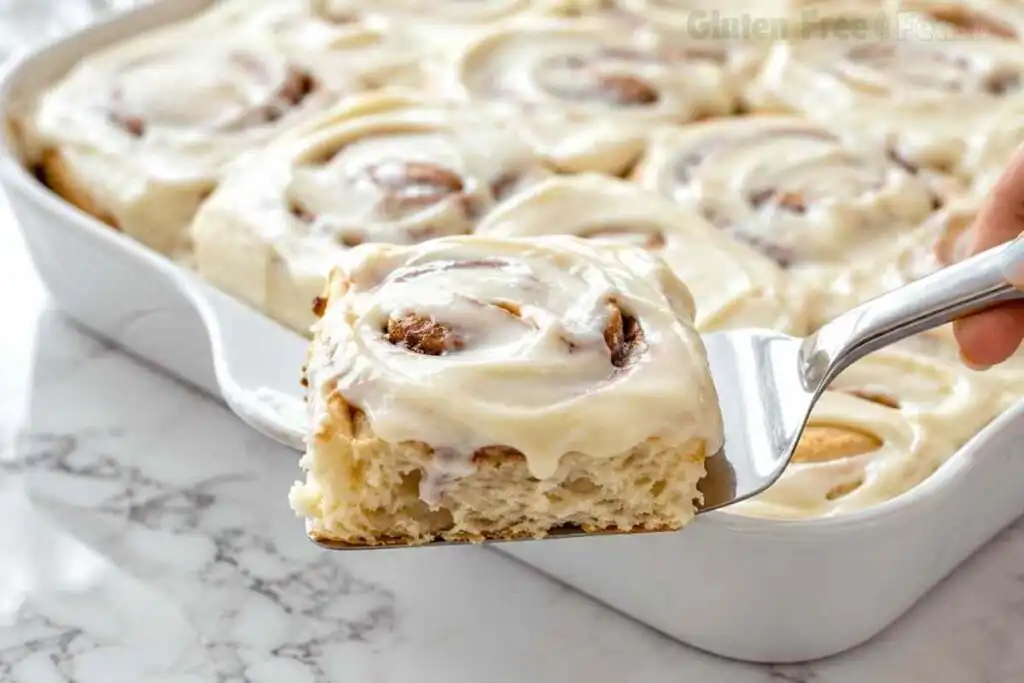
Classic cream cheese frosting: rich, tangy, and spread while the rolls are still warm so it melts slightly into the layers.
One dough, two finishing options: cream cheese frosting for the classic version, or a simple glaze if you want something lighter.
Kitchen-tested, not guessed: I built this recipe the way I approach any gluten free bake, with documented rounds of testing rather than a single lucky batch.
Soft, pull-apart gluten free cinnamon rolls made with a certified gluten free bread flour blend and finished with classic cream cheese frosting. Celiac-safe, kitchen-tested, and make-ahead friendly.
Celiac Safety Note: Please ensure all packaged ingredients carry a certified gluten free label. For this recipe, check specifically: the gluten free bread flour blend, the instant yeast (labeled gluten free by the manufacturer, not third-party certified), baking powder, cream cheese, and vanilla extract. Cross-contact at packaging facilities is a real risk for people with celiac disease.Overnight Option: After shaping the rolls, cover and refrigerate for 8 to 12 hours, up to 16 hours maximum. Remove from the refrigerator and let rise at room temperature for 30 to 45 minutes before baking.Storage: Store unfrosted rolls in an airtight container for up to 3 days at room temperature. Frosted rolls should be refrigerated.Dairy-Free Option: Replace the whole milk with an unsweetened dairy-free milk, use a certified GF dairy-free butter alternative, and substitute a dairy-free cream cheese alternative for the frosting.
Gluten-Free Note
This recipe is designed to be gluten-free when prepared with certified gluten-free ingredients. Always check labels, as ingredient formulations and manufacturing practices can change. If you have celiac disease or a severe gluten allergy, verify that all ingredients are certified gluten-free and appropriate for your dietary needs.
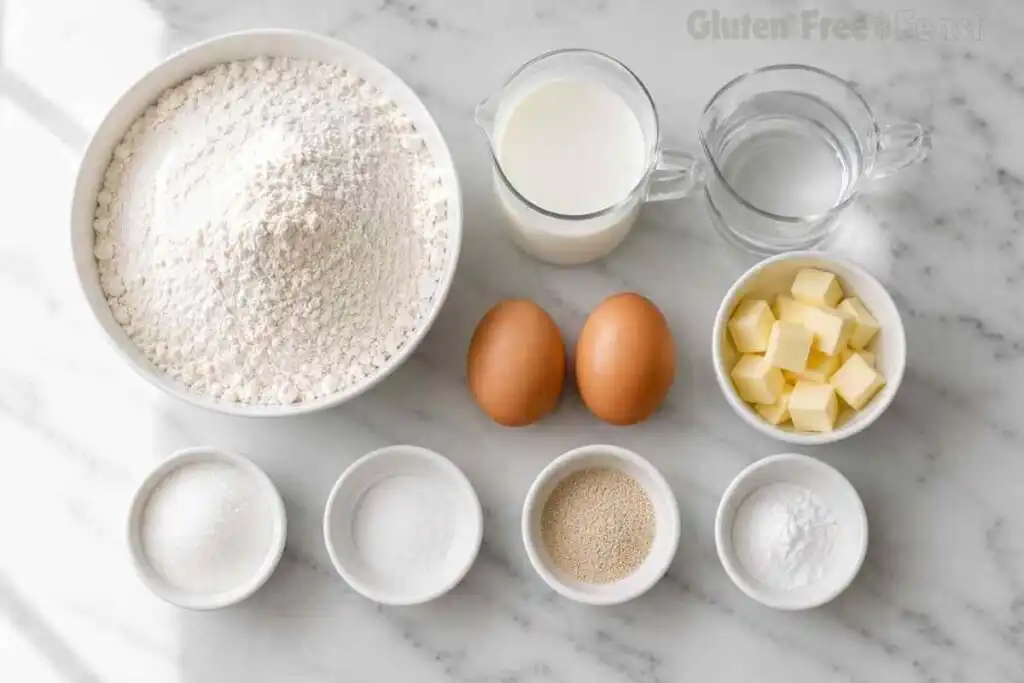
Bread-flour-style GF blend: This is the ingredient that makes or breaks the recipe. Standard 1:1 gluten free all-purpose blends are built for cookies and quick breads, not yeasted dough. I use Bob’s Red Mill Gluten Free Homemade Wonderful Bread Mix. It is GFCO certified and produced in a dedicated gluten free facility tested below 10ppm.
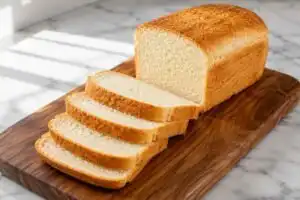
My gluten free bread recipe uses this same style of blend, if you want to see it in a savory loaf. A 1:1 blend still works in a pinch, but expect a denser, less pillowy roll.
Instant yeast: I use SAF Instant Yeast (Red), which the manufacturer labels gluten free. There is currently no GFCO-certified instant yeast on the market. This is the best verified option available, rather than a third-party-certified one. If a newly certified brand becomes available, it is worth switching.
Certified gluten free baking powder: Standard baking powder is usually gluten free, but not every brand is produced in a dedicated facility. Confirm a certified GF label before buying.
Cream cheese: Green Valley Creamery Cream Cheese is GFCO certified. It holds up well in a frosting that needs to stay thick, not runny, once spread on warm rolls.
Vanilla extract: Always pure vanilla extract, never imitation. Imitation vanilla can carry gluten-derived additives that pure extract does not.
The 20-minute chill, explained: Wheat dough develops gluten as you knead it, which is what gives it stretch. Gluten free dough has no gluten to develop, so it relies on the starches in the flour blend fully hydrating instead.
Chilling the dough for 20 minutes after mixing gives those starches time to absorb the liquid. That makes the dough noticeably easier to roll without tearing. Skip the chill and you will likely fight a sticky, uncooperative dough at the rolling stage.
Celiac Safety Note: Please ensure all packaged ingredients carry a certified gluten free label. For this recipe, check specifically: your gluten free bread flour blend, the instant yeast, baking powder, cream cheese, and vanilla extract. The yeast is labeled gluten free by the manufacturer, but it is not third-party certified.
Cross-contact at packaging facilities is a real risk for people with celiac disease. This recipe is built around named, verified ingredients, not generic gluten free claims. A shared kitchen is another common source of cross-contact, and cinnamon rolls involve enough hands-on steps that it is worth being deliberate.
Use a rolling surface that has never touched wheat flour, such as parchment paper or plastic wrap, instead of a reused wooden board. Wood grain can hold onto flour particles even after washing. If your stand mixer bowl has ever held wheat-based bread dough, wash it thoroughly with soap and hot water before mixing this dough.
How to Make Gluten Free Cinnamon Rolls
Step 1: Mix the Dough
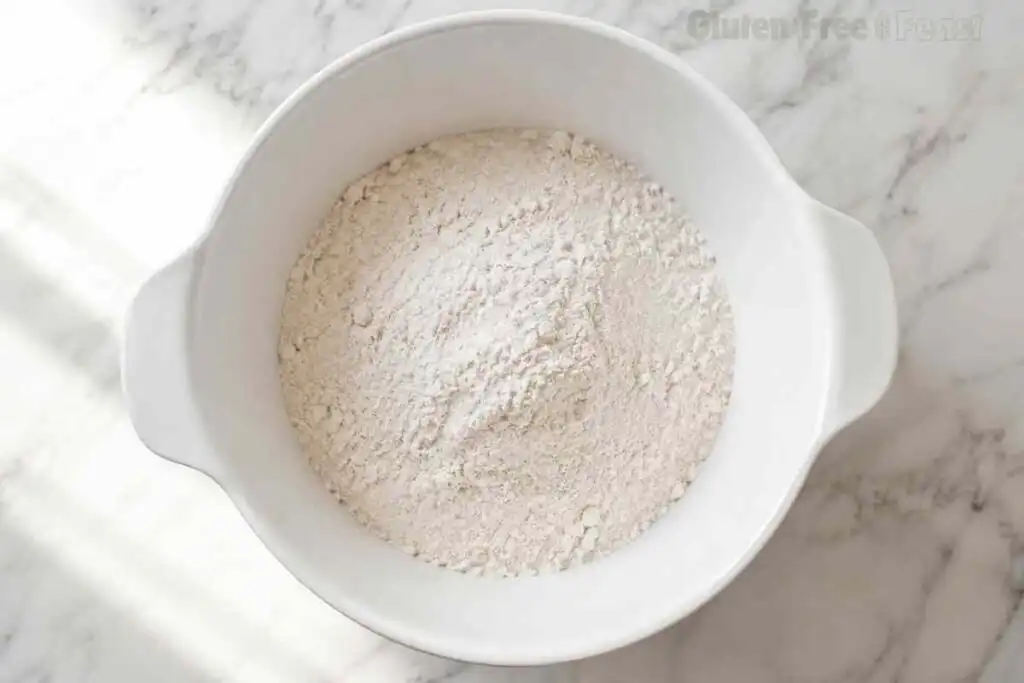
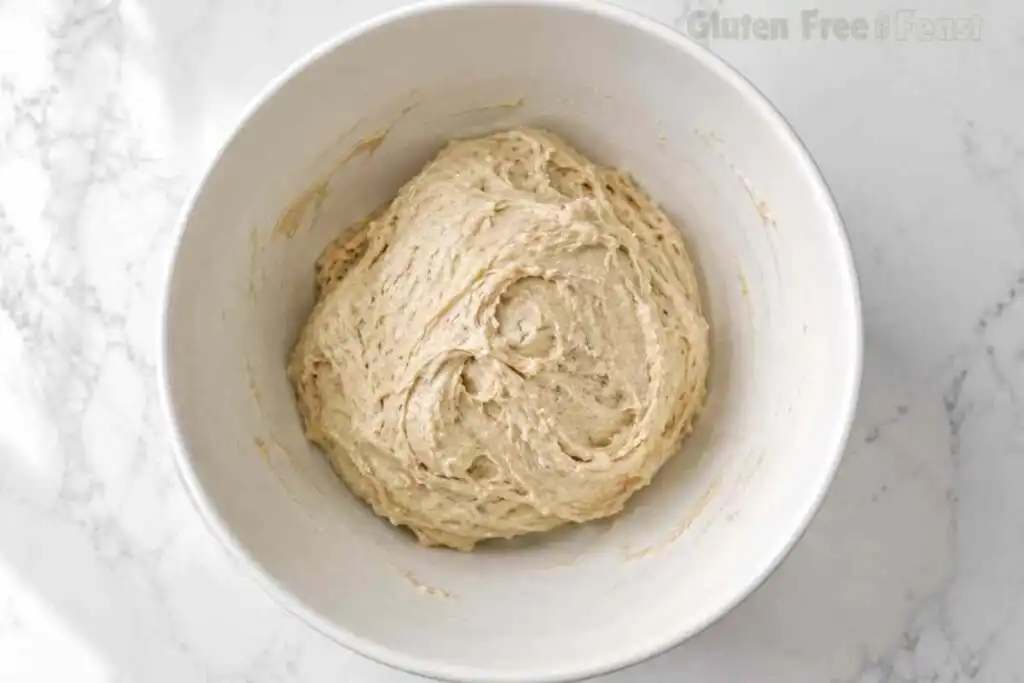
In the bowl of a stand mixer fitted with the paddle attachment, combine the gluten free bread flour, sugar, yeast, salt, and baking powder. With the mixer on low, slowly add the warm water, warm milk, eggs, and melted butter.
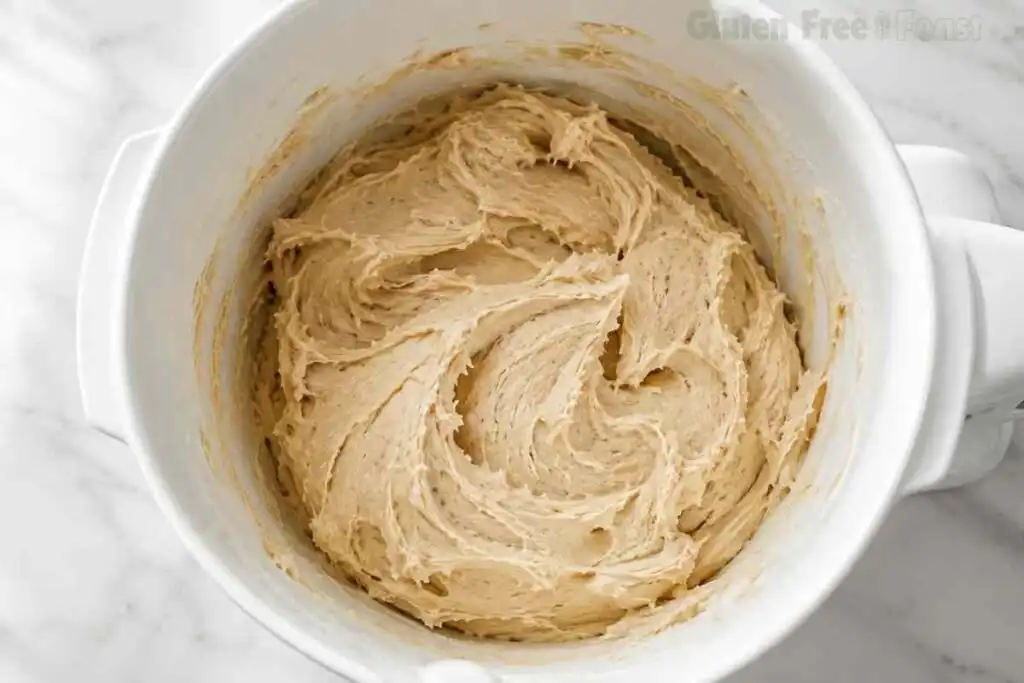
Increase to medium speed and mix for 3 minutes, until the dough is very smooth. It will look more like thick cookie dough than a wheat-based roll dough, and that is correct.
Step 2: Chill the Dough
Scrape down the sides of the bowl with an oiled spatula. Cover tightly and refrigerate for 20 minutes. This rest lets the GF starches fully hydrate before you roll the dough. It is the step most recipes skip without explaining why it matters.
Step 3: Make the Filling
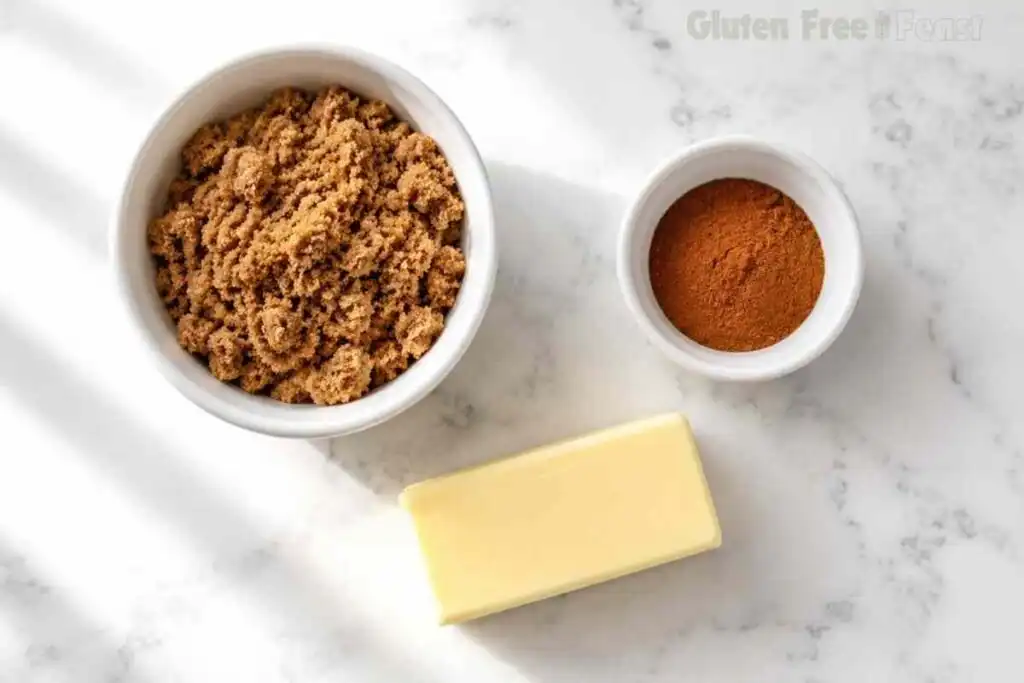
While the dough chills, stir together the brown sugar and cinnamon in a small bowl. Grease a 9×13-inch baking dish and set it aside.
Step 4: Shape the Rolls
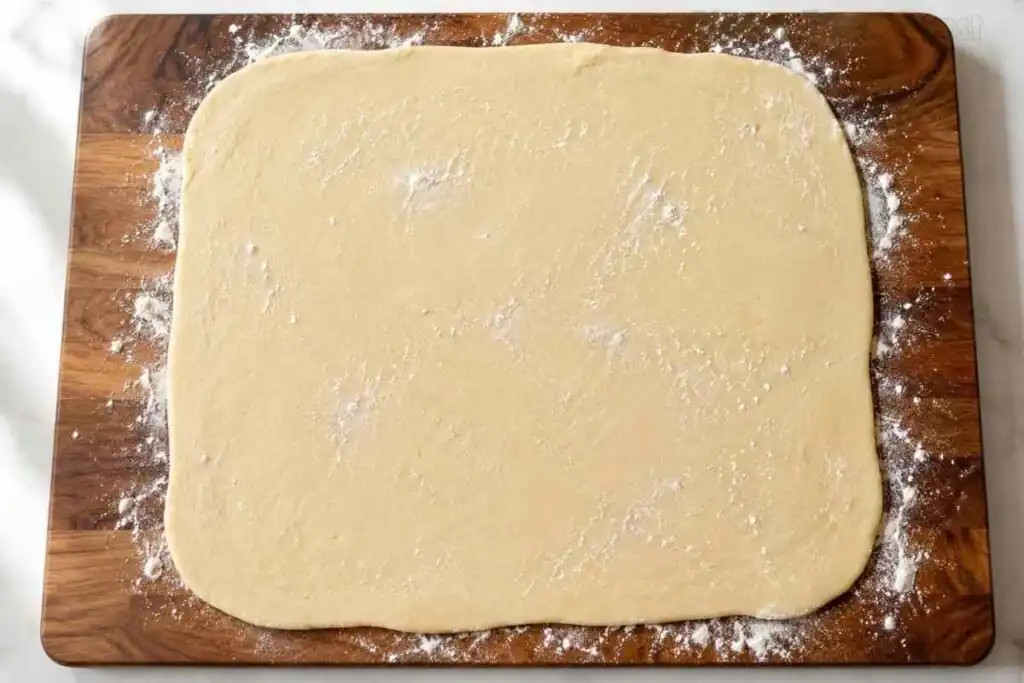
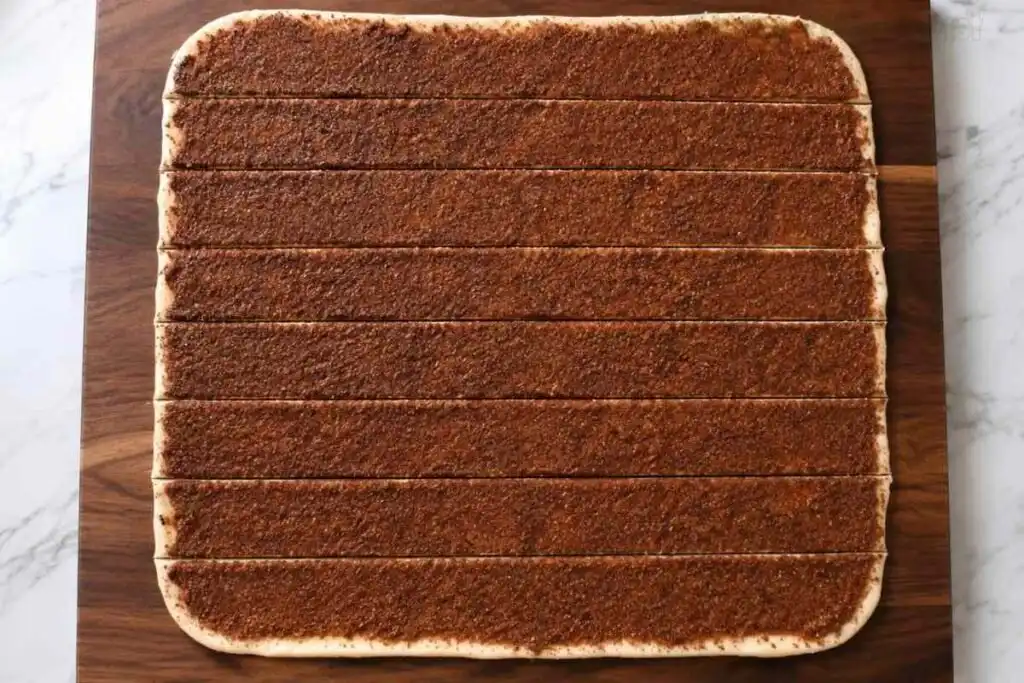
Turn the chilled dough onto a lightly floured surface and shape it into a ball. Roll it into a 15×15-inch square. Brush the surface with the melted butter for the filling, then sprinkle the cinnamon-sugar mixture evenly over the top.
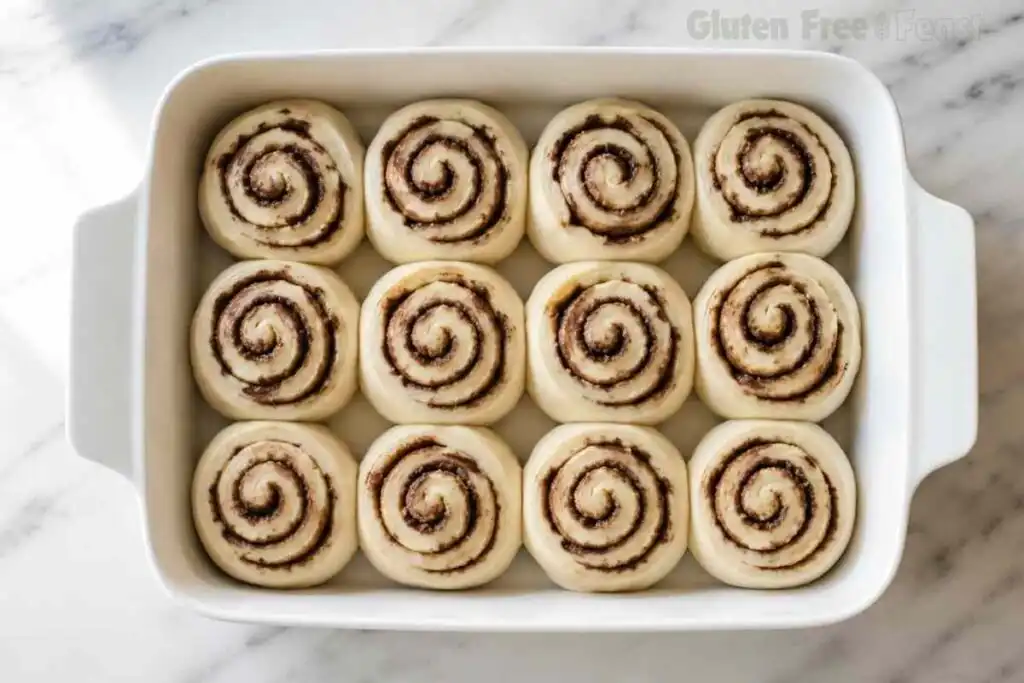
Cut the dough into 12 equal strips with a pizza cutter or sharp knife. Roll each strip into a spiral and place it cut-side up into the prepared baking dish.
Step 5: Let the Rolls Rise
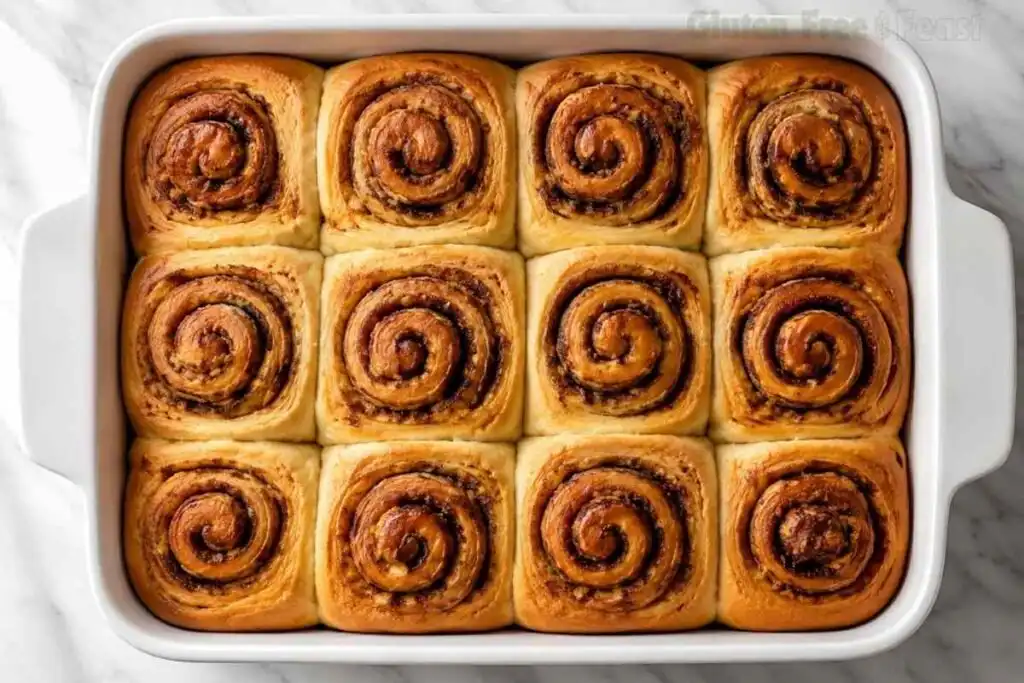
Cover the pan with plastic wrap or a clean kitchen towel. Let the rolls rise in a warm spot for 45 to 60 minutes. Look for them to be noticeably puffed and close to touching in the pan.
Step 6: Bake and Frost
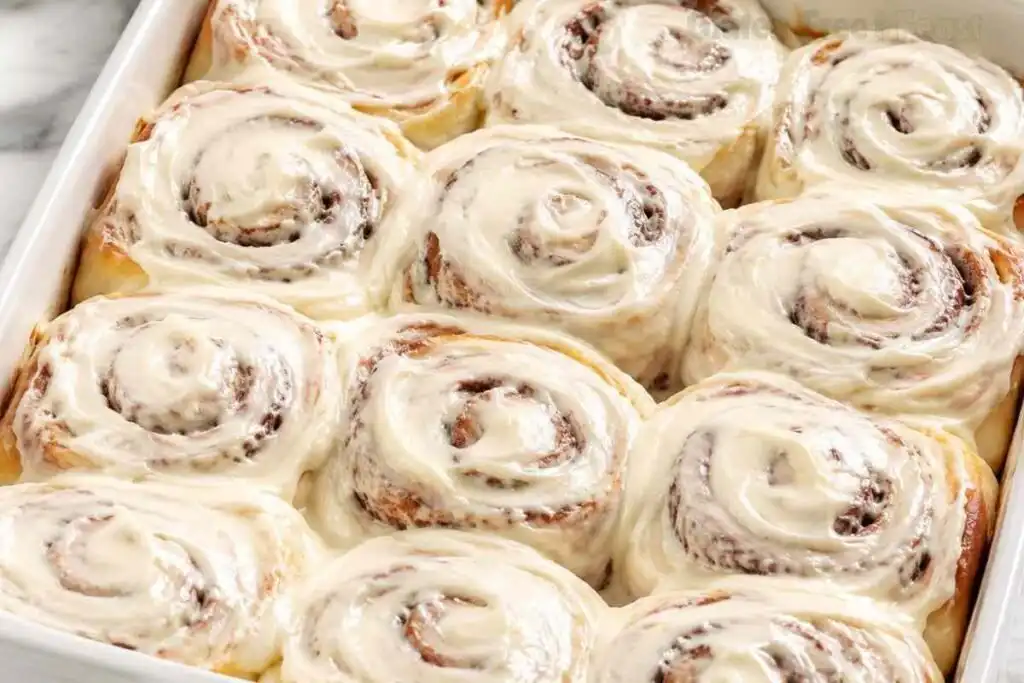
Preheat the oven to 350°F (175°C). Bake for 30 to 35 minutes, until the tops are lightly golden. Let the rolls cool for about 15 minutes before frosting, since cream cheese frosting will slide right off dough that is still too hot.
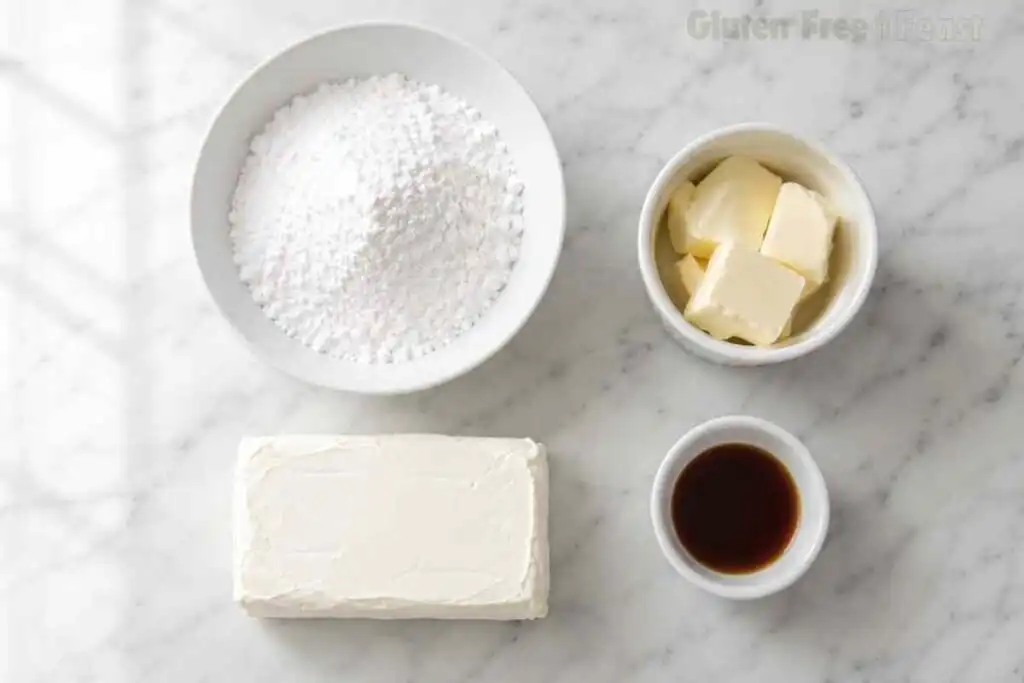
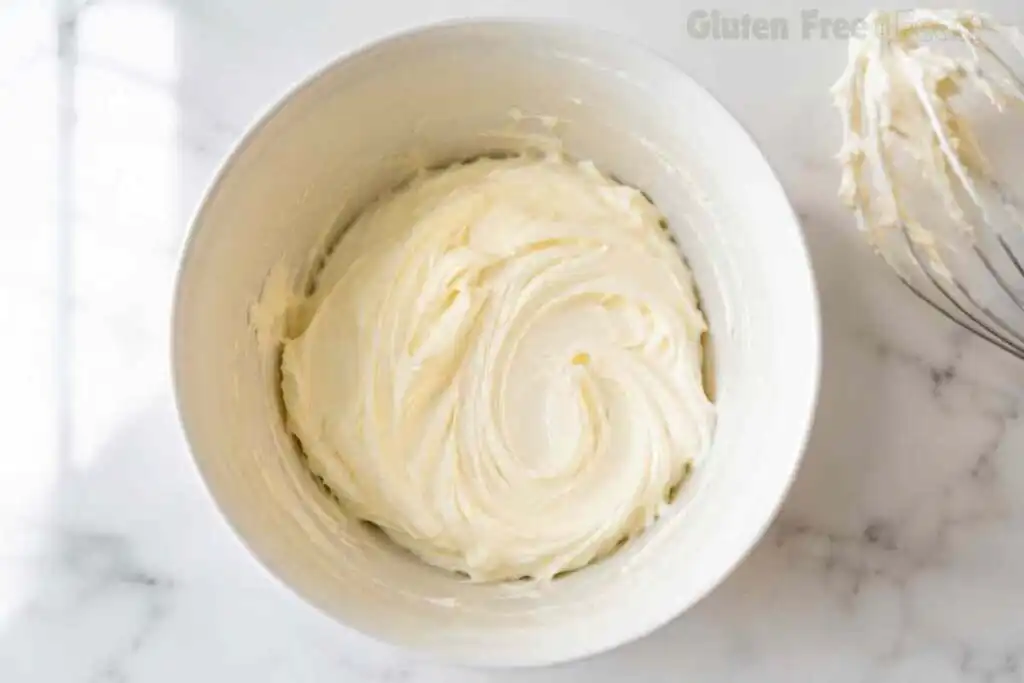
Beat the softened cream cheese until smooth, then add the butter and beat until fully combined. Mix in the powdered sugar and vanilla until smooth, and spread over the still-warm rolls.
Optional: Simple Glaze Instead of Frosting
Whisk together the powdered sugar, milk, vanilla, and a pinch of salt until smooth. Drizzle over the slightly warm rolls instead of the cream cheese frosting for a lighter finish.
Expert Tips for Best Results
Do not skip the 20-minute chill. It is the single biggest difference between a dough that rolls cleanly and one that tears and sticks to everything.
Warm liquids, not hot. Water and milk that are too hot can kill the yeast before it ever gets to work. Warm to the touch, like bathwater, is the right target.
Watch the rise, not the clock. A cold kitchen can push the rise time closer to 60 minutes. Look for rolls that are visibly puffed rather than stopping at exactly 45 minutes.
Use a sharp knife or unflavored dental floss to cut the spirals. A dull knife can squash the spiral shape flat before it ever hits the pan.
Frost while warm, not hot. Warm rolls let the frosting soften into the top layer slightly. Hot rolls melt the frosting into a puddle.
Bread-flour blends behave differently from 1:1 blends. If you swap in a 1:1 blend, expect a slightly denser roll and consider reducing the liquid by two tablespoons.
Reserve a pastry brush for gluten free baking only. Bristles can trap flour that is difficult to rinse out completely, even after washing.
Use a baking dish that has not touched wheat-based baked goods. If you only have one 9×13-inch dish, wash it thoroughly with soap and hot water before using it here.
Substitutions and Variations
Dairy-free version: Replace the whole milk with an unsweetened dairy-free milk. Use a certified GF, dairy-free butter alternative in place of the butter throughout. Choose a dairy-free cream cheese alternative for the frosting, or use the simple glaze instead, which contains no dairy beyond the milk swap.
Bread-flour blend swap: A standard 1:1 gluten free all-purpose blend can replace the bread-flour-style blend in a pinch. Expect the rolls to be denser and slightly less pillowy.
Overnight option: After shaping the rolls in the pan, cover and refrigerate instead of letting them rise at room temperature. Chill for 8 to 12 hours, up to 16 hours maximum. Remove from the refrigerator and let sit at room temperature for 30 to 45 minutes before baking as directed.
Glaze instead of frosting: Some readers prefer a lighter finish. The simple glaze in the recipe card is a one-bowl alternative to the cream cheese frosting.
My gluten free blueberry muffins use a similarly forgiving make-ahead method. They freeze just as well as these rolls do, if you like having more than one bake ready for the weekend.
What to Serve With Gluten Free Cinnamon Rolls
These rolls are rich enough to anchor a whole brunch spread. A few pairings that work well in my kitchen:
Fluffy weekend pancakes: if you are setting up a full breakfast table, a stack of gluten free pancakes alongside the rolls covers both the fluffy and the gooey ends of the brunch spectrum.
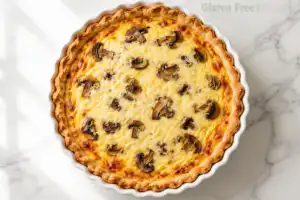
A savory quiche: a slice of gluten free quiche balances the sweetness of the rolls with something savory and protein-rich.
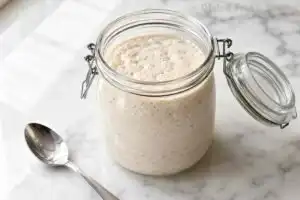
Overnight oats: for a lighter option alongside the rolls, a jar of gluten free overnight oats gives guests something fruit-forward to pair with the frosting.
Banana bread: if you are hosting a crowd, a loaf of gluten free banana bread rounds out the table with another make-ahead bake.
Fresh fruit and coffee: simple, but it cuts the richness of the frosting and keeps the whole spread from feeling like dessert for breakfast.
Storage and Make-Ahead Instructions
Room temperature: Store unfrosted rolls in an airtight container at room temperature for up to 3 days.
Refrigerator: Once frosted, refrigerate the rolls in an airtight container. The cream cheese frosting needs to stay cold.
Freezer: Unfrosted, baked rolls freeze well for up to 2 months. Thaw at room temperature, then warm gently in the oven before frosting.
Overnight make-ahead: This is the method I use most for weekend guests. Shape the rolls the night before, cover, and refrigerate for 8 to 12 hours, up to 16 hours maximum. Let them sit at room temperature for 30 to 45 minutes before baking as directed, so they are not going into the oven cold.
Why Trust This Recipe
I develop recipes the same way I approached lab work: with documented testing, controlled variables, and results that hold up outside my own kitchen.
This dough went through several rounds of testing. The bread-flour-style blend and the 20-minute chill turned out to be the two changes that mattered most. I noted what failed along the way, not just what worked.
What that means for you:
Multiple test batches before publishing
Science-based notes on key steps throughout
Honest substitution guidance, not guesswork
Safe for celiac disease, with cross-contact taken seriously at every step
Frequently Asked Questions
Does gluten free flour work for cinnamon rolls?
Yes, but the type of blend matters. A bread-flour-style GF blend, like Bob’s Red Mill Gluten Free Homemade Wonderful Bread Mix, gives yeasted dough more structure than a standard 1:1 all-purpose blend. A 1:1 blend is built for quick breads and cookies, not yeasted rolls.
Can you make gluten free cinnamon rolls without yeast?
Not this style. Yeast is what drives the rise and the pull-apart texture in a classic cinnamon roll. A yeast-free version would end up as a denser, different kind of pastry rather than a true cinnamon roll.
Is there a trick to baking with gluten free flour?
Hydration time matters more with gluten free flour than with wheat flour. Resting or chilling the dough gives the starches time to fully absorb the liquid before you shape it. That is exactly why this recipe includes a 20-minute chill before rolling.
How do you make gluten free sweet rolls in general?
The same core method used here generalizes well: a bread-flour-style GF blend, instant yeast, a short rest period, and a warm rise. Once you understand why each step matters, you can apply the same method to other yeasted sweet rolls.
Can these cinnamon rolls be made dairy-free?
Yes. Swap the whole milk for an unsweetened dairy-free milk, and use a certified GF dairy-free butter alternative throughout. Then use a dairy-free cream cheese alternative, or finish with the simple glaze instead of the cream cheese frosting.
How do you store and reheat leftover gluten free cinnamon rolls?
Unfrosted rolls keep in an airtight container at room temperature for up to 3 days. Once frosted, refrigerate them. Unfrosted baked rolls also freeze well for up to 2 months. Reheat gently in the oven or microwave before serving.
Final Thoughts
These gluten free cinnamon rolls are the recipe I turn to whenever I want a weekend breakfast that feels like an occasion. The bread-flour blend and the short chill do most of the heavy lifting, and once you have made them once, the method becomes second nature. Give them a try this weekend, and consider the overnight option if you want warm rolls with almost no morning effort.
The recipes on this site come from a scientist who went gluten-free and refused to settle for dense, gummy results. BSc in Molecular Biology & Genetics. Former laboratory analyst. Full-time founder of Gluten Free Feast.
Every recipe is mine, developed, tested and written by me.
My Commitment: Every recipe on Gluten Free Feast is created with gluten-free ingredients and thoroughly tested. Because brands and manufacturing practices can change, always verify that your ingredients are certified gluten-free if you have celiac disease.
Molecular Biologist · Laboratory Analyst · GF Recipe Developer 🎓 BSc Molecular Biology & Genetics — Boğaziçi University, Istanbul, Turkey Former Biological Laboratory Analyst Founder & Recipe Developer — Gluten Free Feast Claire's scientific background means every recipe on this site is built on a genuine understanding of food science — from why gluten-free flours absorb moisture differently, to how specific binding agents replicate gluten's structural role in baking. Read Claire's full story →